Amber and vanilla: warm fragrance notes for the cold months
When the temperature drops in Melbourne or the morning fog rolls through the valleys around Hobart, many Australians instinctively reach for scents that feel like a soft jumper. Amber and vanilla have earned their reputation as the most comforting cold-weather notes because they trigger sensory memories of warmth, sweetness, and shelter. Across the southern states, where winters can bring crisp mornings and grey skies from June through August, these notes show up in bedroom diffusers, layering fragrances, and cosy body products.
Australians spend more time indoors during the cooler season, and heating systems—whether a reverse-cycle unit in a Brisbane apartment or a wood fire in an Adelaide Hills cottage—circulate air in ways that change how a room smells. A scent that feels subtle outdoors in Sydney's sea breeze can turn rich and enveloping once it warms up near a heater. This is why heavier base notes like amber resin and vanilla absolute shine when the mercury falls, offering a grounded counterpoint to the stillness outside.
There is also a cultural memory at work. Vanilla evokes childhood baking, while amber carries the weight of ancient trade routes and temple rituals. When combined in a fragrance or home scenting product, they create a sense of continuity between past and present, between the hearth at home and the wider world. For shoppers exploring home fragrance options, this duo remains a reliable anchor during the cooler half of the year.
The psychology of warm scents in cooler months
Fragrance perception shifts with temperature, and this is especially noticeable in Australia where climate zones vary so widely. A Perth resident experiencing a mild 14°C evening and a Canberra local facing a frosty minus-two morning will both find that sweet and resinous notes feel more prominent in the air. Warm molecules evaporate differently in cool conditions, lingering closer to the skin and creating what perfumers call a second-skin effect.
Australian shoppers have noticed this too. Winter fragrance sales in department stores from Sydney's Pitt Street to Melbourne's Chadstone tend to favour richer formulations over the bright citrus colognes that fly off shelves in December. Behavioural research suggests that scents associated with sweetness and softness can lower perceived stress, which fits the season's slower pace and longer evenings spent indoors.
Vanilla in particular has been studied for its calming properties. The compound vanillin, which gives natural vanilla its characteristic aroma, is frequently used in aromatherapy to encourage relaxation. When diffused in a living room before guests arrive, or layered on pulse points before a commute through a cold Canberra morning, it offers a small ritual of comfort that many Australians have woven into their daily routine.
Amber resin: ancient comfort in modern bottles
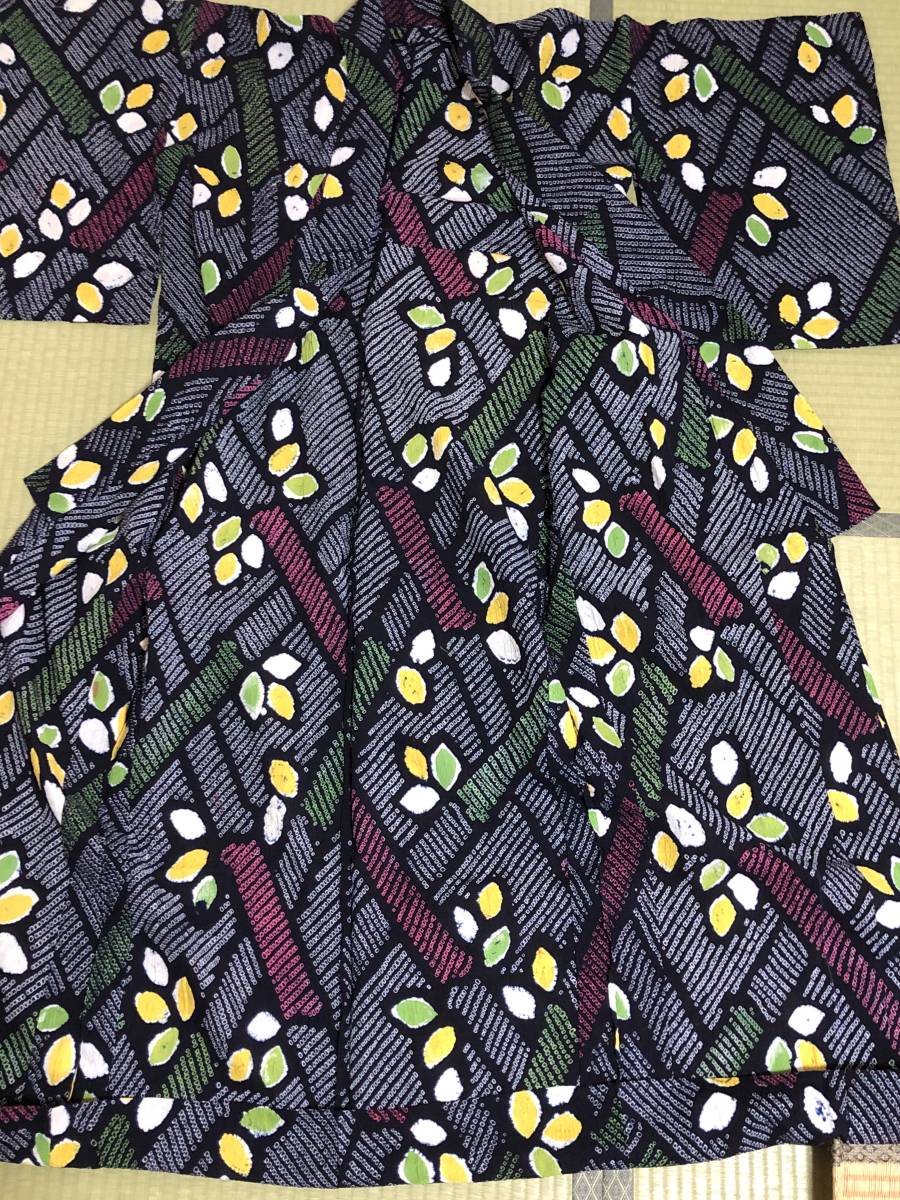
Amber is not a single ingredient but a family of warm, balsamic materials derived from tree resins and labdanum. Historically traded along routes that touched the Indian subcontinent and the Middle East, amber accords reached European perfumery through partnerships with suppliers like Ruhi Hand Block Printers, whose heritage work with natural resins informs many contemporary blends. The result is a note that feels both familiar and storied.
In Australian retail, amber appears across a wide spectrum of products. It grounds oriental-style EDTs, softens woody masculines, and anchors many home fragrance lines. Because the note blends so well with spices, woods, and florals, it serves as a backbone rather than a lead. A diffuser stick charged with amber, cedar, and a whisper of vanilla can transform a chilly Adelaide guest room into a welcoming retreat within minutes.
The comfort of amber lies partly in its texture. It smells dense and slightly powdery, with hints of honey, dried fruit, and warm wood. For those building a winter wardrobe of scents, layering an amber-rich body lotion under a complementary EDT extends the wear time and creates a cocoon of aroma that survives trips between heated offices and frosty car parks.
Vanilla's versatility from kitchen to perfume
Vanilla carries a unique weight in Australian domestic life. From the vanilla slices sold at country bakeries in regional Victoria to the extract used in Sunday baking in suburban Perth, the scent is woven into everyday rituals. That familiarity makes it a powerful note in perfumery, where it can read as nostalgic, sensual, or simply cosy depending on what surrounds it.
In fragrance compositions, vanilla appears in several forms: as a natural absolute extracted from cured pods, as a reconstructed molecule, or as a gourmand accord blended with caramel, chocolate, or coffee. Each version brings a different intensity. A heavy gourmand vanilla suits evening wear and intimate gatherings, while a sheer, musky vanilla works beautifully in a hair mist or a light body spray for daytime use around Brisbane's winter markets.
Because vanilla softens sharper notes, it often plays a supporting role in unisex and masculine fragrances. A fougère with a vanilla dry-down feels approachable without becoming overtly sweet. In home scenting, vanilla absolute pairs effortlessly with citrus and green notes for entryways, and with amber and oud for sitting rooms where families spend long evenings during the cooler season.
Blending amber and vanilla for Australian winters
Combining amber and vanilla in a single product—or layering them across different formats—creates what many fragrance enthusiasts call a winter signature. The resinous depth of amber grounds the airy sweetness of vanilla, preventing the blend from feeling one-dimensional. In a reed diffuser placed in a hallway, the pairing welcomes guests with an immediate sense of warmth before they even reach the living area.
Australian homes vary enormously in layout, from compact Sydney terraces to sprawling Queenslander houses with high ceilings. In open-plan spaces, heavier amber-vanilla formulations tend to perform better because the scent needs to travel without dissipating. For smaller rooms, a lighter vanilla spray refreshed every few days can achieve a similar effect without overwhelming the space.
Layering is another strategy worth exploring. Matching a vanilla-rich hand cream with an amber-led EDT, for example, builds a coherent scent story from morning to evening. Couples often choose complementary amber and vanilla products so that their shared spaces smell unified, and hosts can coordinate diffuser scents with table candles to create a cohesive atmosphere for winter dinners and gatherings.
Choosing the right format and strength
Not every amber or vanilla product suits every situation. Australians shopping for cold-weather fragrance typically weigh three factors: concentration, format, and room size. The comparison below outlines how the most common options stack up for winter use, helping readers match their choice to their lifestyle and home environment.
| Format | Best For | Longevity in Cool Weather | Scent Throw |
|---|---|---|---|
| EDP Spray | Day-to-night wear, layering | 6–8 hours on skin | Personal |
| EDT Spray | Office, casual outings | 4–6 hours on skin | Personal |
| Hair Mist | Light refresh, non-greasy | 2–3 hours | Subtle |
| Reed Diffuser | Living areas, hallways | 2–3 months per set | Room-wide |
| Room Spray | Quick bursts, entertaining | 20–30 minutes | Immediate |
| Body Oil | Massage, dry skin care | 4–6 hours on skin | Personal |
EDPs and oil-based formats hold their warmth particularly well in cooler temperatures, while reed diffusers remain a low-maintenance choice for continuous background scenting. Room sprays work best as a finishing touch just before guests arrive, offering an instant lift that complements a longer-lasting base layer in the room.
For households concerned about strong scents or sensitivities, choosing unscented base products and applying fragrance only to pulse points can keep the experience gentle. Many Australian suppliers comply with local labelling requirements set out by the Australian Consumer Law, making it easier to review ingredients before purchase. Checking the note breakdown on a product page also helps shoppers identify whether the vanilla is natural, synthetic, or part of a broader gourmand accord. Customers browsing fragrance collections by code often find it easier to compare similar amber and vanilla blends side by side before committing to a full bottle.
Try layering a vanilla hair mist with an amber-rich EDT on the next cold morning and notice how the combination evolves from the first coffee through to the evening wind-down.