How to Match Your Scent to Your Outfit for a Cohesive Style
Clothing creates the first impression of an outfit, but fragrance gives it atmosphere. A crisp shirt can suggest polish, a flowing dress can feel romantic, and denim can bring relaxed confidence. The right scent supports that message without competing with the colours, textures or occasion.
Matching perfume to clothing does not mean choosing a fragrance in the same literal shade as your outfit. It means considering the mood, weight and setting of what you are wearing, then selecting notes that feel as though they belong there. A light citrus scent may sharpen linen and cotton, while amber or vanilla can bring depth to knitwear and leather.
Australia makes this approach especially useful. A fragrance that feels comfortable on a cool Melbourne morning may become too intense during a humid Brisbane afternoon. Workplaces, public transport, outdoor dining and strong summer heat all influence how perfume develops, so style and practicality need to be considered together.
Let the fabric guide the fragrance family
Fabric is a useful starting point because it communicates texture before anyone notices the details of your accessories. Linen, cotton poplin and lightweight silk usually pair well with airy fragrance families. Look for bergamot, lemon, neroli, green tea, watery florals or soft musk. These notes create a clean finish that suits breathable clothing and warm weather.
Flowing fabrics such as chiffon, satin and velvet can support a more expressive scent. White florals, rose, iris, peach and powdery musk complement a dressed-up silhouette, while amber, sandalwood and incense add richness to evening fabrics. A satin slip dress with a bright aquatic fragrance may feel mismatched if the occasion calls for glamour; a restrained floral with a creamy base can create greater harmony.
Textured casual clothing welcomes fragrance with a little warmth. Denim, corduroy, suede and chunky cotton work well with woods, herbs, spices and aromatic notes. A cedar or vetiver fragrance can give a simple jeans-and-shirt outfit structure, while lavender, cardamom or tonka can soften a utility jacket without making the look feel formal.
The same principle applies to activewear and relaxed basics. If you are wearing leggings, a tank top and trainers for a morning walk, choose a low-key body mist, citrus cologne or fresh hair mist. In Australia, where outdoor exercise and beachside routines are part of everyday life, a subtle fragrance is usually more comfortable than a dense extrait.
Match colour and visual mood
Colour can help you identify the emotional direction of an outfit. Pale blue, white, sage and soft grey often suit clean, cool or mineral scents. Think cucumber, marine notes, eucalyptus, mint and light woods. These combinations work especially well for daytime dressing, office clothing and summer weekends.
Warm colours such as rust, burgundy, mustard and chocolate invite richer fragrance profiles. Amber, cinnamon, plum, patchouli, coffee and vanilla can echo their depth. You do not need every element to match exactly; a small relationship is enough. A burgundy cardigan with a rose-and-amber perfume may feel considered, while the same cardigan with an extremely sharp aquatic scent could create less visual and olfactory connection.
Black clothing gives you freedom, but the occasion should determine the fragrance intensity. Black tailoring can support incense, leather, oud, pepper or iris, especially at night. For daytime, a citrus-woody or clean musk scent will keep a black outfit polished rather than overly dramatic. Metallic accessories, glossy shoes and statement makeup can also signal that a fragrance with sparkle or spice will work well.
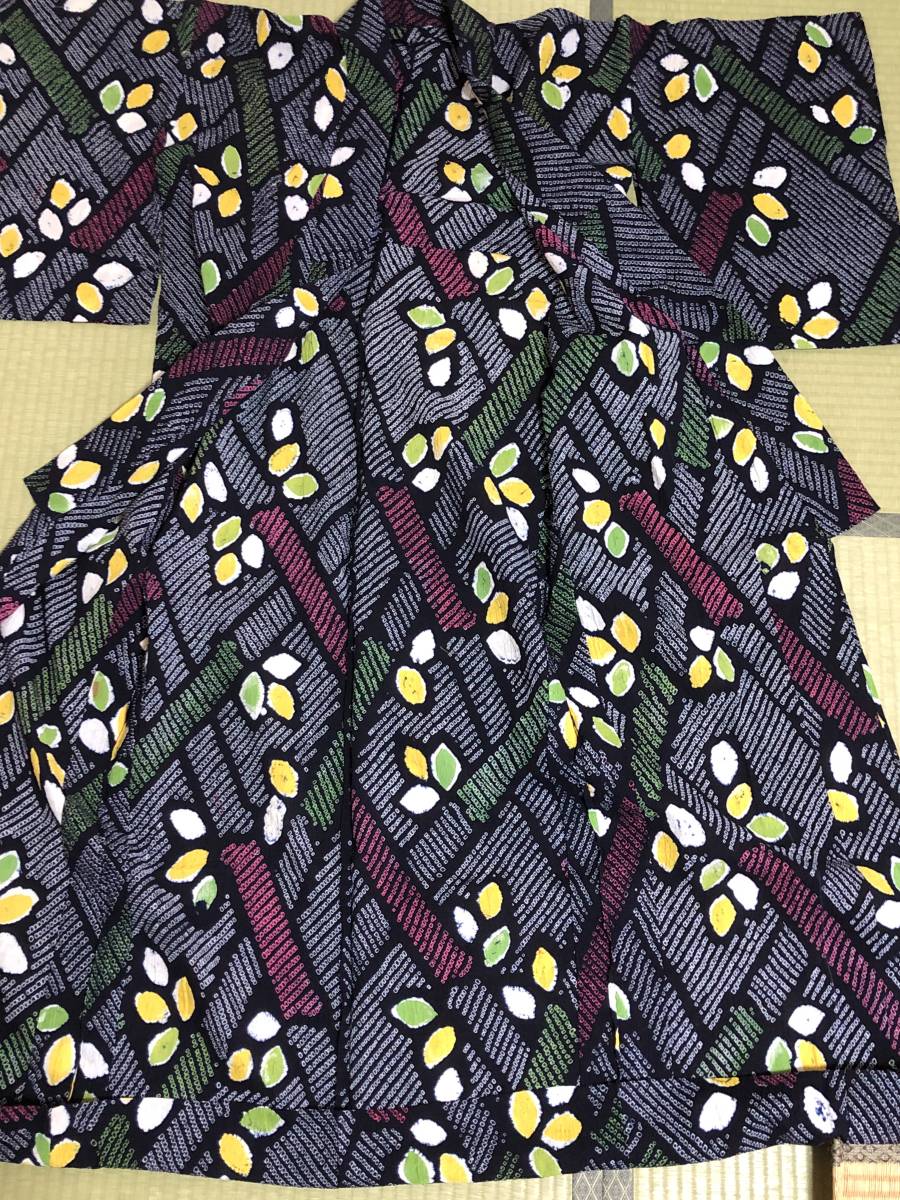
Prints require a lighter touch. When an outfit already contains florals, animal print or strong geometric shapes, avoid adding a fragrance that tells an equally loud story unless you are intentionally creating a theatrical look. A simple musk, sandalwood or fresh floral can act as a unifying background. With a neutral outfit, fragrance can take a more prominent role and provide the colour your clothing lacks.
Consider the occasion and your daily setting
Workwear benefits from fragrance that stays close to the skin. Clean musk, tea, soft citrus, iris and gentle woods are reliable choices for offices, meetings and shared spaces. Apply lightly to pulse points rather than saturating your clothing. This is particularly considerate on Australian trains, buses and trams, where enclosed spaces can make a strong scent feel much more intense.
For a special dinner or evening event, you can increase both warmth and projection. Amber, vanilla, rose, tuberose, sandalwood and spice work well with tailoring, dresses and dressy separates. Apply a small amount before leaving home and allow it to settle. Fragrance often smells smoother after its opening notes fade, so testing it well before the event gives you a more accurate impression.
Casual weekend clothing calls for flexibility. A cotton shirt, shorts and sandals may suit citrus, aromatic herbs or fruity woods, while a denim jacket and boots can carry tobacco, leather or smoky cedar. If you are moving between a café, a market and an outdoor venue, choose a scent with moderate longevity that will not become tiring in the heat.
Evening wear for winter can support a more enveloping perfume. For ideas around comforting notes, explore these cosy winter scents, especially when styling wool coats, scarves and boots. In cooler cities such as Melbourne, Canberra and Hobart, those deeper accords can feel natural; in warmer northern areas, use fewer sprays or select a lighter concentration.
Adapt the formula to Australian weather
Heat changes the way fragrance behaves. Warm skin encourages perfume to project further and develop faster, while humidity can make sweet or dense notes feel heavier. During a hot Sydney, Perth or Brisbane day, citrus, green, aquatic and transparent floral fragrances are often easier to wear. Eau de toilette, cologne and body mist formats can offer a more breathable effect than a highly concentrated perfume.
Dry heat creates a different experience. In Adelaide or inland areas, fragrance may evaporate quickly from exposed skin, so moisturising first can improve its staying power. An unscented body lotion provides a smooth base without interfering with the perfume. You can also place a small amount behind the ears or at the elbows, where warmth helps release the aroma gradually.
Do not rely on spraying heavily onto clothing to extend wear. Some perfume oils and coloured liquids may mark pale fabrics, silk or delicate finishes. Test an unfamiliar product on an inconspicuous area, and follow the product guidance. Fragrance oils, hair mists and EDT sprays each behave differently, so the format should reflect your clothing, skin and plans.
Australian fragrance businesses also operate within local compliance expectations. Imported or locally supplied fragrance ingredients fall within the framework of the Australian Industrial Chemicals Introduction Scheme, while the Australian Consumer Law requires product information and marketing claims to be accurate. Buying from an established retailer and checking ingredient details is sensible, particularly if you have sensitive skin or allergies.
Build a wardrobe of scent options
One signature fragrance can be appealing, but a small scent wardrobe makes outfit coordination easier. Start with a fresh daytime option, a soft floral or musk, a warm evening fragrance and a deeper winter choice. This gives you enough range to dress for different fabrics, climates and social settings without collecting products that rarely get used.
Think of fragrance families as clothing staples. Citrus and green scents are like white shirts: versatile, easy to combine and useful when you want a clean finish. Floral musk resembles a simple dress or neat knitwear, adding softness without dominating. Woods are comparable to denim or leather because they provide structure. Amber, gourmand and oriental-style blends act more like evening tailoring, bringing drama and weight.
You can also layer products from the same scent direction. A matching body wash, lotion, hair mist or perfume oil may create a smoother result than combining unrelated fragrances. If the products are not designed as a set, keep the layers simple. For example, use an unscented lotion beneath a vanilla perfume, or pair a citrus shower product with a light woody EDT.
Home fragrance can support the same mood without being worn on the body. If you enjoy a particular atmosphere at home, browse this room fragrance collection for sprays and diffusers that echo your personal style. A clean linen scent in your living space, for instance, can complement a fresh daytime perfume without requiring the two products to be identical.
Use accessories, grooming and confidence as clues
Accessories often reveal how formal or expressive an outfit is. A pearl necklace, polished loafers and a structured handbag may suit powdery florals, iris or refined woods. Chunky silver jewellery, boots and a crossbody bag can work with pepper, incense, leather or smoky notes. Straw hats, canvas totes and woven sandals tend to harmonise with coconut, citrus, herbs and light musk.
Grooming products should be part of the calculation. Beard oils, aftershaves, deodorants and hair products can create competing scent trails. If your shampoo smells strongly of fruit and your deodorant has a powerful marine accord, a heavy perfume may become confusing. Choosing unscented grooming products or keeping the fragrance family consistent will make the final result feel more intentional.
For retro clothing or highly recognisable personal style, fragrance can complete the character of the look. A polished vintage outfit may suit rose, lipstick accords, powder, cherry or warm musk, while rockabilly-inspired clothing can carry a playful blend with vanilla, leather or spice. This retro styling guide offers useful visual context for pairing fragrance with a confident vintage aesthetic.
The most important test is whether the scent feels comfortable when you move through the day. Style is cohesive when the fragrance supports your presence rather than announcing itself before you arrive. Apply less than you think you need, allow it time to settle, and notice how it behaves after several hours in your actual climate.
Matching fragrance with an outfit is really an exercise in balance. Lightweight clothes usually benefit from freshness, textured or dark clothing can carry warmth, and formal occasions allow greater depth. Weather, transport, workplace expectations and personal comfort matter just as much as colour or fabric. The detail to remember is simple: choose a scent that tells the same story as your outfit, at a volume that suits the setting.